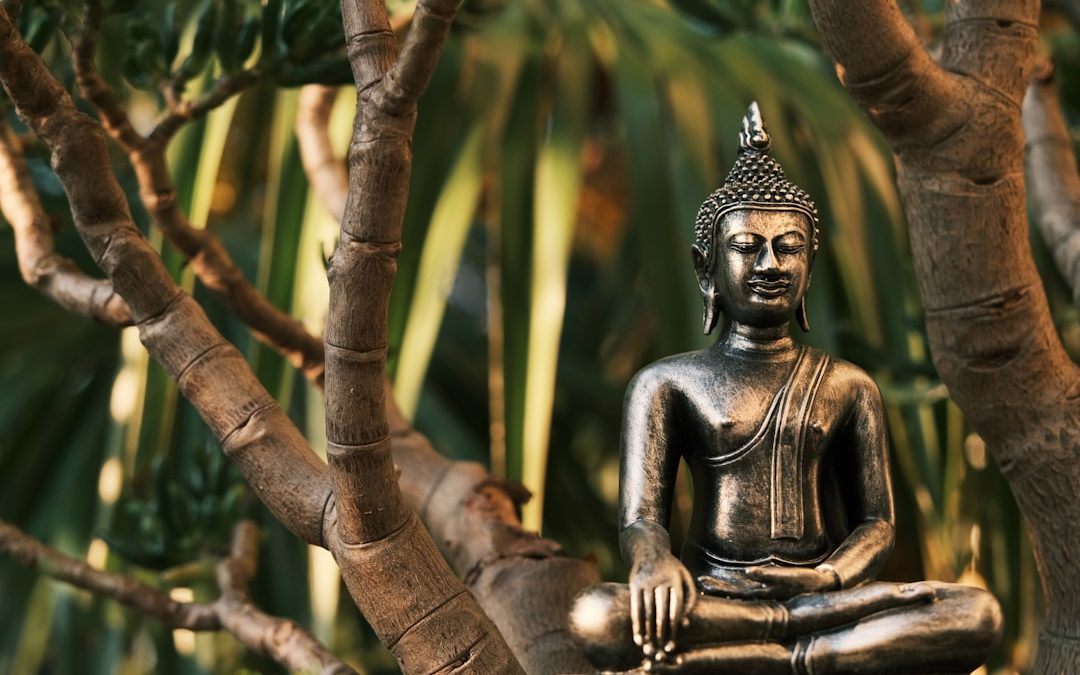
Holistic meditation is an integrative approach that encompasses the mind, body, and spirit, aiming to create a harmonious balance among these elements. Unlike traditional meditation practices that may focus solely on mental clarity or relaxation, holistic meditation recognizes the interconnectedness of all aspects of a person’s being. This method encourages practitioners to explore their thoughts, emotions, and physical sensations, fostering a deeper understanding of themselves and their place in the universe.
By engaging in holistic meditation, individuals can cultivate a sense of wholeness, allowing them to address not only their mental health but also their emotional and physical well-being. The practice of holistic meditation often incorporates various techniques, including breathwork, visualization, and mindfulness. These techniques serve to enhance self-awareness and promote a state of inner peace.
For instance, breathwork can help regulate the nervous system, while visualization can create a mental image of desired outcomes, reinforcing positive thinking. By integrating these practices, holistic meditation becomes a comprehensive tool for personal growth and transformation. It encourages individuals to delve into their subconscious, uncovering limiting beliefs and patterns that may hinder their progress.
This deeper exploration can lead to profound insights and a greater sense of empowerment in one’s life.
Key Takeaways
- Holistic meditation involves integrating mind, body, and spirit to achieve overall well-being.
- Setting clear intentions for what you want to achieve through meditation can help focus your practice.
- Creating a sacred space for meditation can enhance the experience and make it more meaningful.
- Practicing mindfulness and visualization can help in achieving a deeper state of meditation and self-awareness.
- Using affirmations and mantras can help reprogram your subconscious mind and promote positive thinking.
Setting Intentions for What You Want
Setting intentions is a crucial step in the holistic meditation process, as it provides direction and purpose to your practice. Intentions are not mere wishes; they are clear and focused statements about what you want to achieve or manifest in your life. When you set an intention, you are essentially declaring your desires to the universe and aligning your energy with those aspirations.
This alignment is vital because it helps to clarify your goals and motivates you to take actionable steps toward achieving them. For example, if your intention is to cultivate self-love, you might focus on practices that enhance your self-esteem and encourage positive self-talk. To effectively set intentions, it is essential to approach this process with mindfulness and clarity.
Begin by reflecting on what truly matters to you—what do you want to bring into your life? This could range from personal growth, improved relationships, or career advancement. Once you have identified your desires, articulate them in a positive and present-tense format.
Instead of saying, “I want to be happy,” rephrase it as “I am embracing joy and happiness in my life.” This shift in language reinforces the belief that what you desire is already on its way to you. By consistently focusing on these intentions during your meditation practice, you create a powerful energetic resonance that can attract those very outcomes.
Creating a Sacred Space for Meditation

Creating a sacred space for meditation is an essential aspect of establishing a conducive environment for holistic practices. A sacred space is not merely a physical location; it embodies an atmosphere that promotes tranquility and introspection. This space should be free from distractions and clutter, allowing you to immerse yourself fully in your meditation practice.
Whether it’s a corner of your bedroom, a dedicated room, or even an outdoor area, the key is to personalize it in a way that resonates with you. Incorporating elements such as soft lighting, comfortable seating, and calming scents can significantly enhance the ambiance. In addition to physical elements, consider incorporating symbols or objects that hold personal significance.
This could include crystals, candles, or meaningful artwork that inspires you. Each item can serve as a focal point during your meditation sessions, helping to ground your energy and deepen your connection to your intentions. Furthermore, dedicating this space solely for meditation reinforces its sacredness; over time, your mind will associate this area with relaxation and introspection.
Regularly maintaining this space—by cleaning it or rearranging elements—can also keep the energy fresh and inviting.
Practicing Mindfulness and Visualization
Mindfulness is a cornerstone of holistic meditation, as it encourages practitioners to remain present in the moment without judgment. This practice involves observing thoughts and feelings as they arise while maintaining an attitude of acceptance. By cultivating mindfulness during meditation, individuals can develop greater awareness of their internal landscape, allowing them to identify patterns and triggers that may influence their daily lives.
For instance, if you notice feelings of anxiety surfacing during your practice, acknowledging these emotions without resistance can lead to insights about their origins and how they affect your overall well-being. Visualization complements mindfulness by enabling practitioners to create vivid mental images of their desired outcomes. This technique harnesses the power of imagination to manifest intentions more effectively.
During meditation, you might visualize yourself achieving a specific goal—such as landing a dream job or nurturing fulfilling relationships—immersing yourself in the sensory details of that experience. The more vividly you can imagine these scenarios, the more real they become on an energetic level. This practice not only enhances motivation but also reinforces the belief that what you desire is attainable.
By combining mindfulness with visualization, you create a dynamic interplay between awareness and intention that can significantly amplify your manifestation efforts.
Using Affirmations and Mantras
Affirmations and mantras are powerful tools within holistic meditation that can help reprogram limiting beliefs and foster a positive mindset. An affirmation is a positive statement that reflects your desired reality; it serves as a reminder of your strengths and capabilities. For example, repeating affirmations such as “I am worthy of love” or “I attract abundance effortlessly” can shift your internal dialogue from self-doubt to self-empowerment.
The repetition of these statements during meditation reinforces their impact on your subconscious mind, gradually transforming negative thought patterns into positive ones. Mantras, on the other hand, are often derived from ancient spiritual traditions and involve the repetition of specific sounds or phrases. These sounds can evoke particular energies or states of consciousness.
For instance, the mantra “Om” is believed to represent the universal sound of creation and can help align practitioners with their higher selves. When using mantras during meditation, focus on the vibration of the sound rather than its meaning; this allows you to connect with deeper layers of consciousness. Both affirmations and mantras serve as anchors during meditation, helping to maintain focus while simultaneously elevating your energetic frequency.
Cultivating Gratitude and Positivity

Gratitude is a transformative practice that can significantly enhance the effectiveness of holistic meditation. By cultivating an attitude of gratitude, individuals shift their focus from what they lack to what they already possess. This shift in perspective fosters positivity and opens up pathways for abundance in various aspects of life.
During meditation, take time to reflect on the things you are grateful for—this could include relationships, experiences, or even simple pleasures like nature’s beauty or a warm cup of tea. By acknowledging these blessings, you create a vibrational frequency that attracts more positive experiences into your life. Incorporating gratitude into your daily routine can further amplify its effects.
Consider keeping a gratitude journal where you jot down three things you appreciate each day. This practice not only reinforces positive thinking but also trains your mind to seek out the good in every situation. When combined with meditation, gratitude becomes a powerful catalyst for transformation; it allows you to release negativity and embrace a mindset that welcomes abundance and joy.
As you cultivate gratitude within yourself, you’ll find that it permeates other areas of your life, enhancing relationships and overall well-being.
Connecting with Your Inner Self
Connecting with your inner self is at the heart of holistic meditation; it involves delving deep into your consciousness to uncover your true essence beyond societal expectations or external influences. This connection fosters self-awareness and authenticity, allowing individuals to align their actions with their core values and desires. During meditation, create space for introspection by asking yourself meaningful questions: Who am I beyond my roles?
What do I truly desire? What fears hold me back? Engaging with these inquiries can lead to profound insights about your identity and purpose.
To facilitate this connection, consider incorporating journaling into your meditation practice. After meditating, take time to write down any thoughts or revelations that arose during your session. This process not only solidifies insights but also provides clarity on how to navigate challenges in alignment with your true self.
Additionally, exploring creative outlets such as art or music can further enhance this connection; these forms of expression often tap into deeper layers of consciousness that words alone may not convey. By nurturing this relationship with your inner self through holistic meditation practices, you empower yourself to live authentically and purposefully.
Manifesting What You Want into Your Life
Manifestation is the culmination of holistic meditation practices; it involves bringing your intentions into reality through focused energy and aligned action. The process begins with clarity about what you want—this clarity is established through setting intentions and connecting with your inner self. Once you have defined your desires, it’s essential to maintain a positive mindset while taking actionable steps toward those goals.
Manifestation requires not only belief in the possibility of achieving what you want but also commitment to pursuing it actively. Visualization plays a pivotal role in manifestation by creating a mental blueprint for success. As you visualize your desired outcomes during meditation, infuse those images with emotion; feel the joy and excitement as if you’ve already achieved them.
This emotional resonance amplifies the energy behind your intentions, making them more potent in attracting opportunities aligned with your desires. Additionally, remain open to receiving guidance from the universe; sometimes manifestations come in unexpected forms or through unconventional paths. By combining focused intention with mindful action and emotional alignment, you create a powerful synergy that can transform dreams into reality.
In summary, holistic meditation offers a comprehensive framework for personal growth and transformation by integrating various practices that nurture the mind, body, and spirit. Through setting intentions, creating sacred spaces, practicing mindfulness and visualization, using affirmations and mantras, cultivating gratitude, connecting with one’s inner self, and manifesting desires into reality, individuals can embark on a profound journey toward self-discovery and fulfillment. Each element contributes uniquely to the overall experience of holistic meditation, empowering practitioners to live authentically while attracting abundance into their lives.